
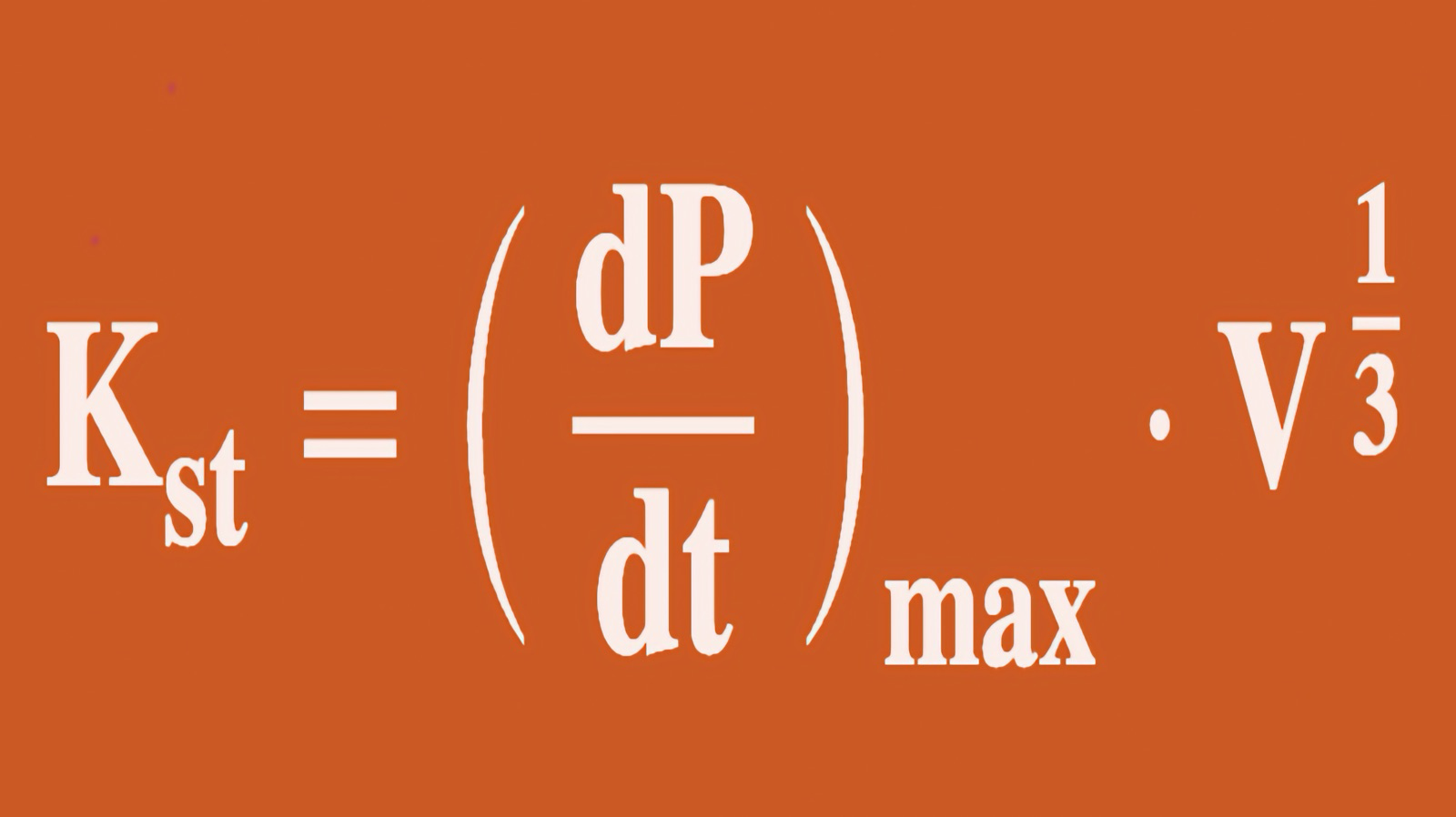
Zoning alone does not control a dust explosion
A dust explosion is not a static zone on a drawing. It is a chain reaction: dust layer, dispersion, cloud formation, ignition, pressure build-up and potentially a much more severe secondary explosion.
A dust explosion is not a static zone on a drawing. It is a chain reaction: dust layer, dispersion, cloud formation, ignition, pressure build-up and potentially a much more severe secondary explosion.
That secondary explosion is often what causes the greatest damage. An initial pressure wave can disperse settled dust layers, creating a larger and more homogeneous dust cloud than in the original scenario.
That is why Exquintia looks beyond hazardous area classification alone.
We assess whether your dust explosion risk is physically substantiated: emissions, dust layers, turbulence, ignition sources, explosion venting, propagation and organisational control measures.
The drawing does not determine the risk. The actual behaviour of dust in your installation does.
Have your dust explosion scenarios independently assessed before paper-based zoning creates a false sense of safety.
Next step
Do you want to know whether temporary work, maintenance or modifications affect your ATEX assessment?
Exquintia reviews the EPD, zoning, equipment and work permits as one technical system, so your documentation stands up during inspection, audit or authority review.
Source: Desktop/Blogs/ 18-03-2026_beheerst_stofexplosie/ 18_03_2026_EN_controls_dust_explosion.rtf