
Managers don’t buy ATEX; they buy operational continuity, availability, and risk control.
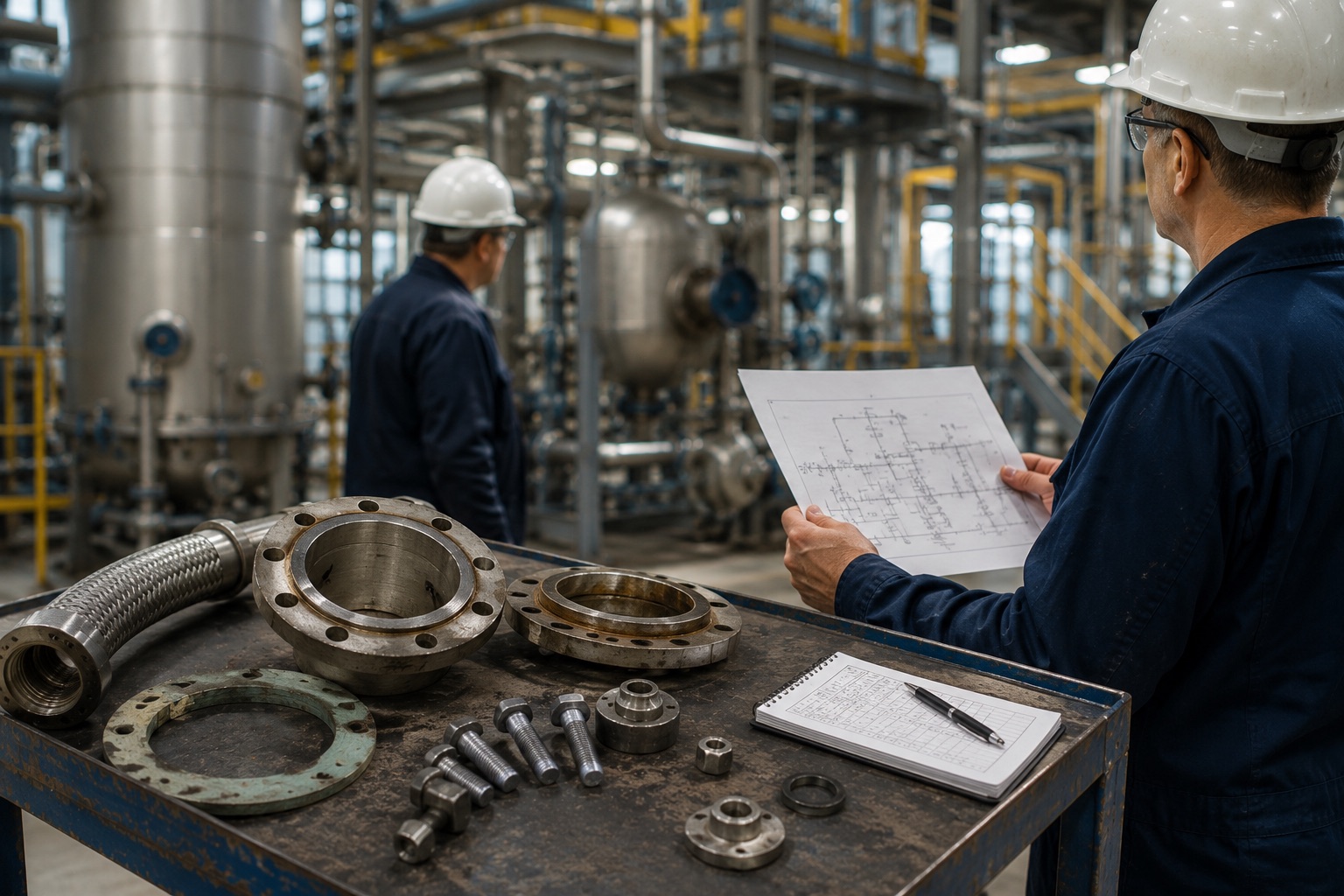
* a new hose; * a different gasket; * an extra fan; * a different raw material; * a higher speed.
The most dangerous change in a factory sometimes costs less than €100
Changes in a factory can seem minor:
* a new hose; * a different gasket; * an extra fan; * a different raw material; * a higher speed.
Many industrial incidents are not caused by large projects, but by small changes that seem technically logical, even though the implications for explosion safety have never been reassessed.
For example, a new raw material may have a lower minimum ignition energy (MIE).
A different gasket may lead to higher emissions of flammable substances.
An additional fan can alter the airflow and thereby affect the dispersion or dilution of an explosive atmosphere.
A higher rotational speed can lead to higher surface temperatures or an increase in mechanical ignition sources.
The modification may cost only a few dozen euros.
The consequences could cost millions.
Explosion safety is therefore not a snapshot in time. Any change to a process, installation, or product can affect the risk assessment, hazard zoning, and control measures.
That is why Management of Change (MoC) is not merely an administrative requirement. It is a safety barrier. The most costly changes are often those that no one recognized as changes.